

Automated Organic Fertilizer Fermentation Solutions from Leading Manufacturers
Are you ready to revolutionize your agricultural practices with organic fertilizer fermentation? I’ve seen firsthand how automated systems from leading manufacturers enhance efficiency and productivity. Our state-of-the-art fermentation solutions simplify the organic fertilizer production process, ensuring you get high-quality results without the hassle. Imagine transforming waste into valuable nutrients for your crops, all while minimizing your environmental footprint. With our automated fermentation technology, you can streamline your operations, reduce labor costs, and boost your bottom line. I understand the challenges of finding reliable suppliers, which is why I’m excited to connect you with trusted manufacturers dedicated to delivering innovative solutions tailored to your needs. Let’s take your agricultural business to the next level by embracing organic fertilizer fermentation. It’s not just a product; it’s a sustainable investment in a greener, more productive future! Reach out today to learn how we can help you achieve your goals.
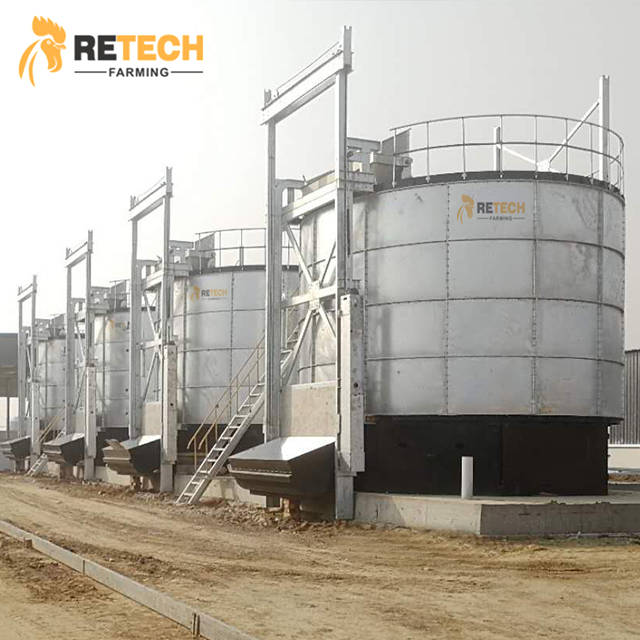


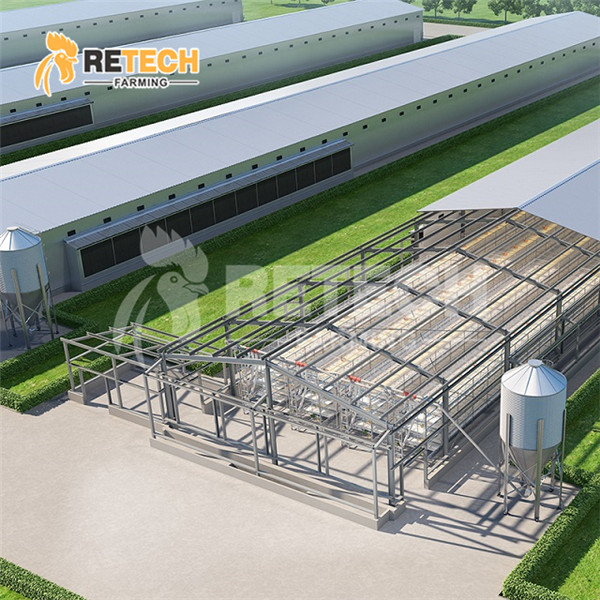


organic fertilizer fermentation Stands Out Factory-Direct Excellence
In today’s agricultural landscape, the shift towards organic farming practices has led to a significant increase in the demand for high-quality organic fertilizers. One of the most effective ways to enhance soil health and promote sustainable crop production is through the process of fermentation. This method not only provides essential nutrients but also improves the overall quality of the soil ecosystem. The fermentation process ensures that the fertilizers are rich in microorganisms and organic matter, making them more effective in promoting plant growth while being environmentally friendly. When sourcing organic fertilizers, it’s crucial for global procurement agents to focus on factory-direct suppliers that prioritize excellence in production. Opting for direct manufacturers not only cuts costs but also ensures that the products meet high industry standards. These suppliers often employ advanced fermentation techniques and quality control measures that guarantee consistency and reliability in their offerings. Furthermore, they can provide comprehensive information on the nutritional content and application methods, enabling buyers to make informed decisions that align with their farming objectives. As the organic fertilizer market continues to evolve, partnering with a dedicated supplier can provide a competitive edge. By leveraging products that stand out in quality and effectiveness, farmers and distributors can enhance their agricultural practices and contribute to a more sustainable future. Choosing a factory-direct source for organic fertilizers not only supports local economies but also fosters innovation in agricultural techniques that benefit the planet as a whole.
Organic Fertilizer Fermentation Stands Out Factory-Direct Excellence
| Batch Number | Raw Material | Fermentation Duration (Days) | Microbial Composition | pH Level | Nutrient Content (%) |
|---|---|---|---|---|---|
| 001 | Chicken Manure | 30 | Bacillus subtilis, Lactobacillus casei | 6.8 | 2.5 |
| 002 | Cow Manure | 28 | Pseudomonas fluorescens, Bacillus cereus | 7.0 | 2.8 |
| 003 | Composted Leaves | 15 | Rhizobium spp., Trichoderma spp. | 6.5 | 1.2 |
| 004 | Food Waste | 20 | Lactobacillus plantarum, Streptomyces spp. | 6.2 | 3.0 |
| 005 | Green Manure | 10 | Azospirillum brasilense, Mycorrhizae | 6.9 | 2.1 |
Related Products
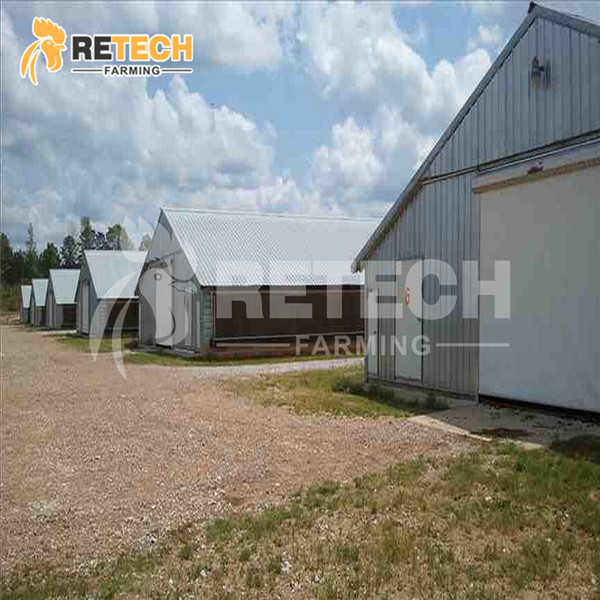
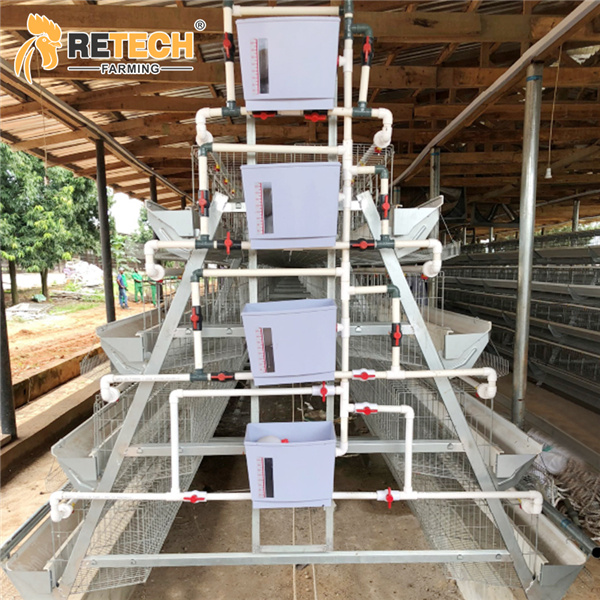


organic fertilizer fermentation Manufacturer Outperforms the Competition
Top Selling Products
- Related Blog
- Reviews


Chicken Farms, Chicken Cage, Poultry Farm Equipment, Poultry Farm, Layer Cage, Poultry House Equipment,
No.82 Chunyang Road, Chengyang District, Qingdao, China
Send your message to us:


